15 Retaining Wall Design Ideas to Transform Your Yard in 2026
From modern geometric patterns to rustic natural stone, these 15 retaining wall design ideas will transform your landscape. Browse photos of every style, with cost breakdowns and planning tips for every budget.
Retaining Wall Styles at a Glance
Modern Retaining Wall Designs
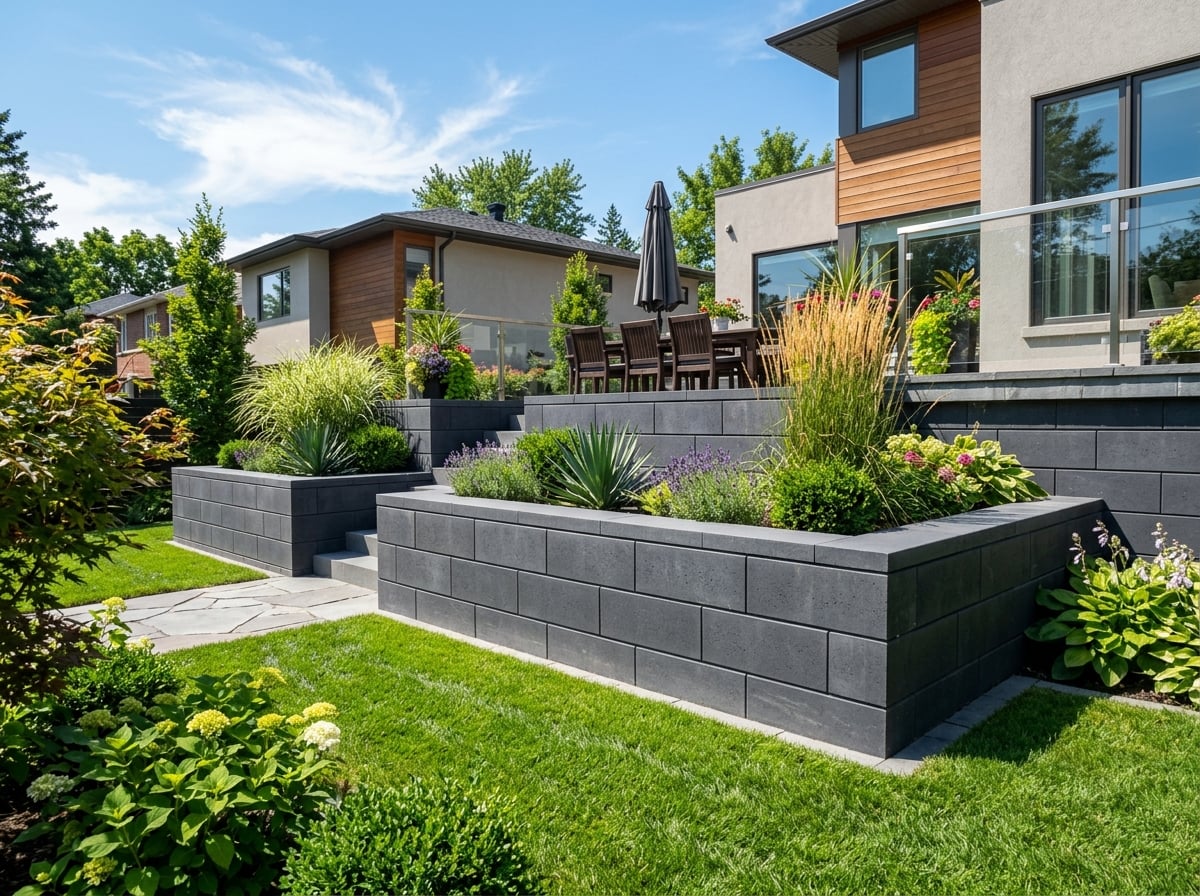
1. Smooth-faced concrete block walls: Clean, contemporary lines using large-format blocks in charcoal or grey tones. Cost: $15-$30 per square foot. These pair beautifully with modern landscaping and minimalist garden design.
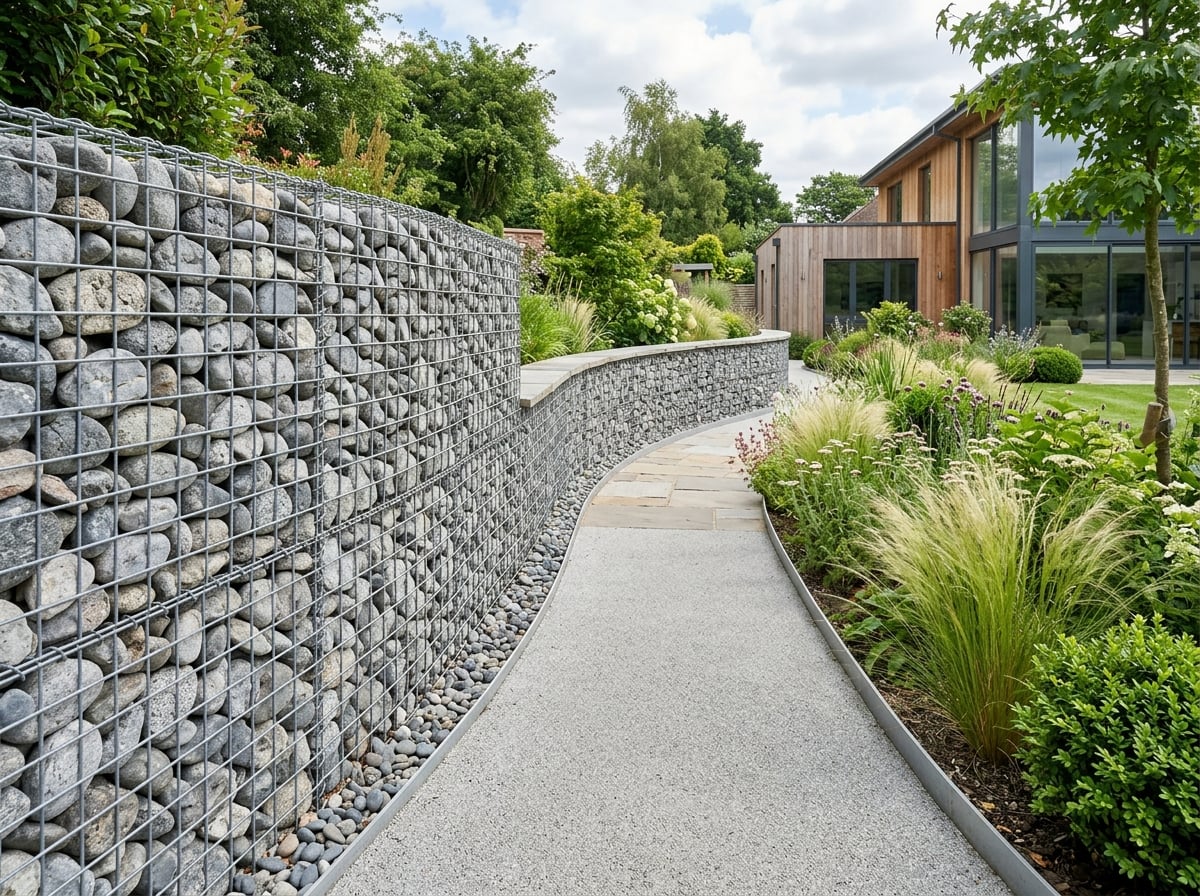
2. Gabion basket walls: Wire mesh cages filled with stone or recycled materials create an industrial-modern look. Cost: $15-$35 per square foot. Gabion walls are inherently well-drained and can incorporate lighting between the stones for dramatic evening effects.
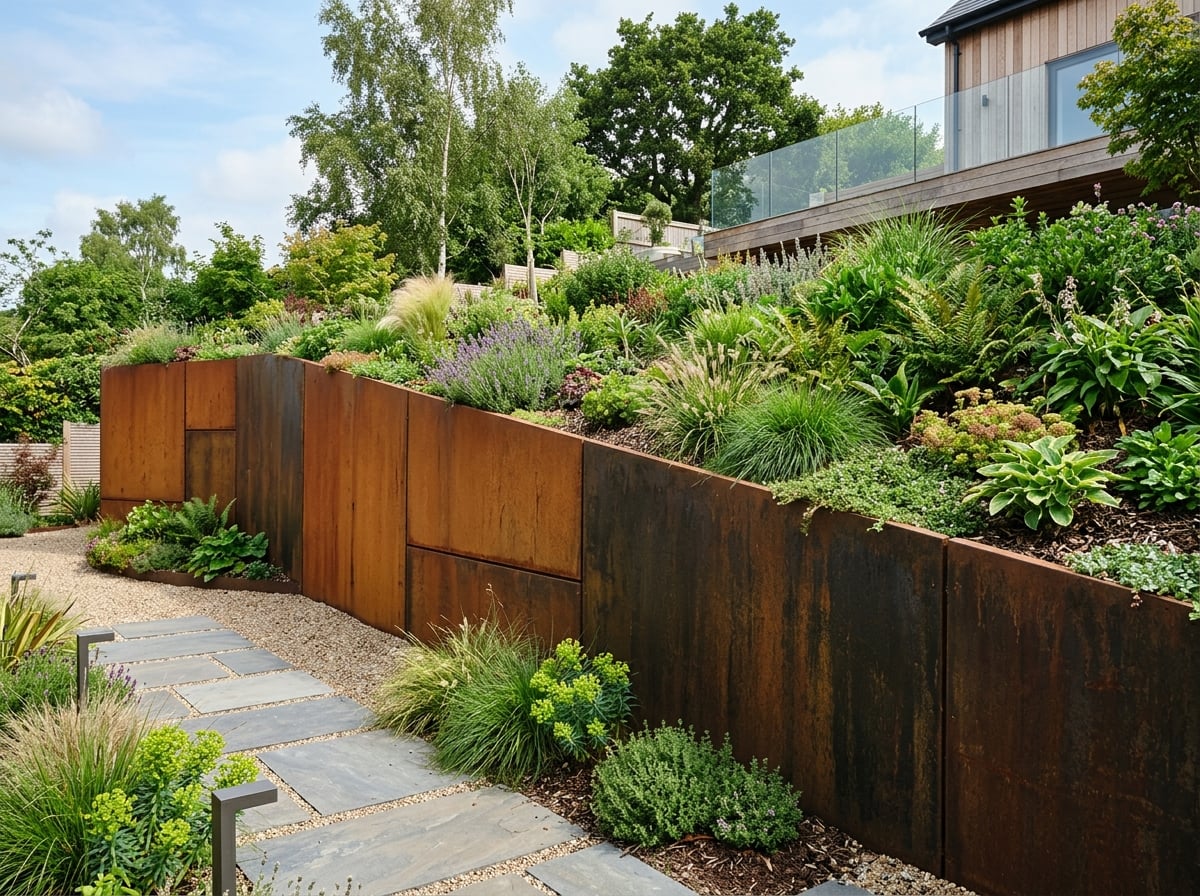
3. Corten steel accent walls: Weathering steel panels develop a rich rust patina that complements natural plantings. Cost: $30-$60 per square foot. Best for accent sections rather than entire runs due to cost. The oxidized finish requires zero maintenance.
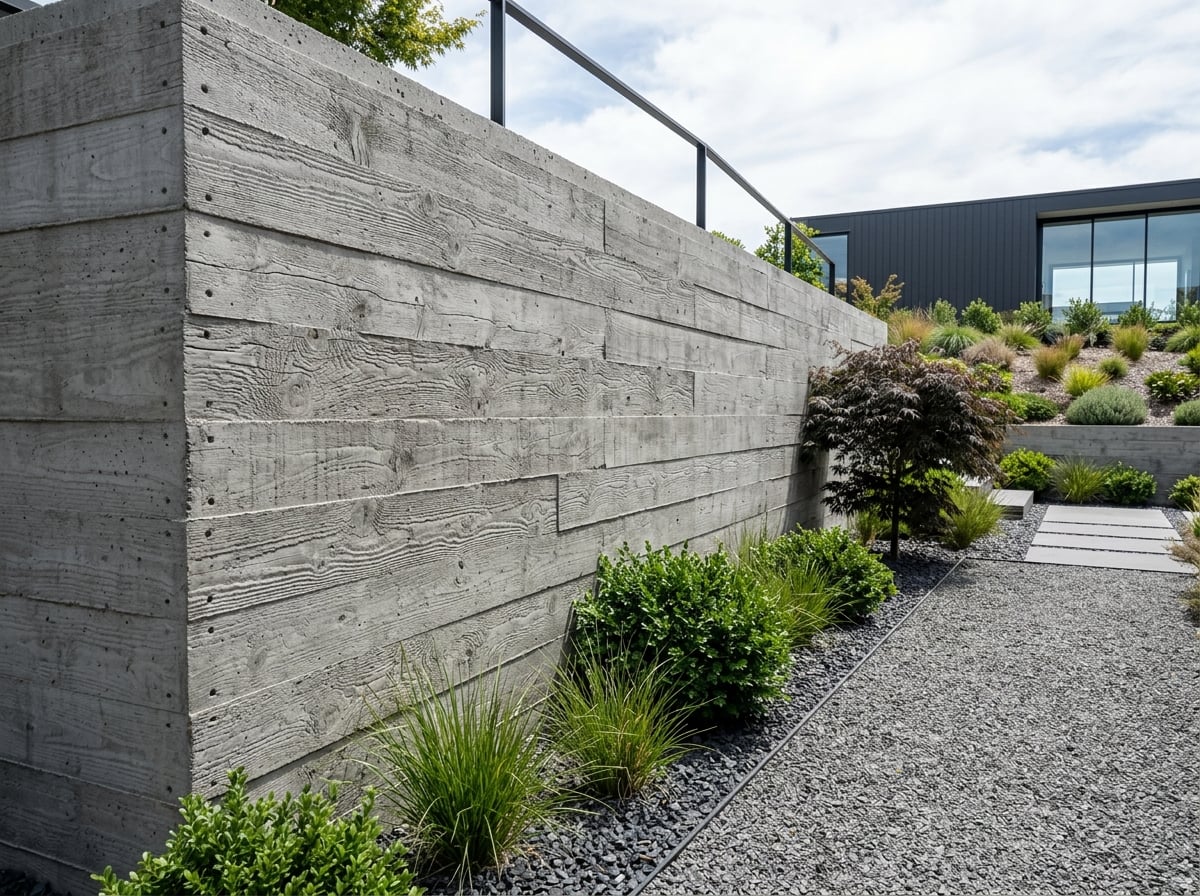
4. Poured concrete with board-form texture: Concrete poured against wooden forms creates a wood-grain impression on the surface. Cost: $25-$40 per square foot. This technique gives you the strength of concrete with an organic, architectural look favored by high-end designers.
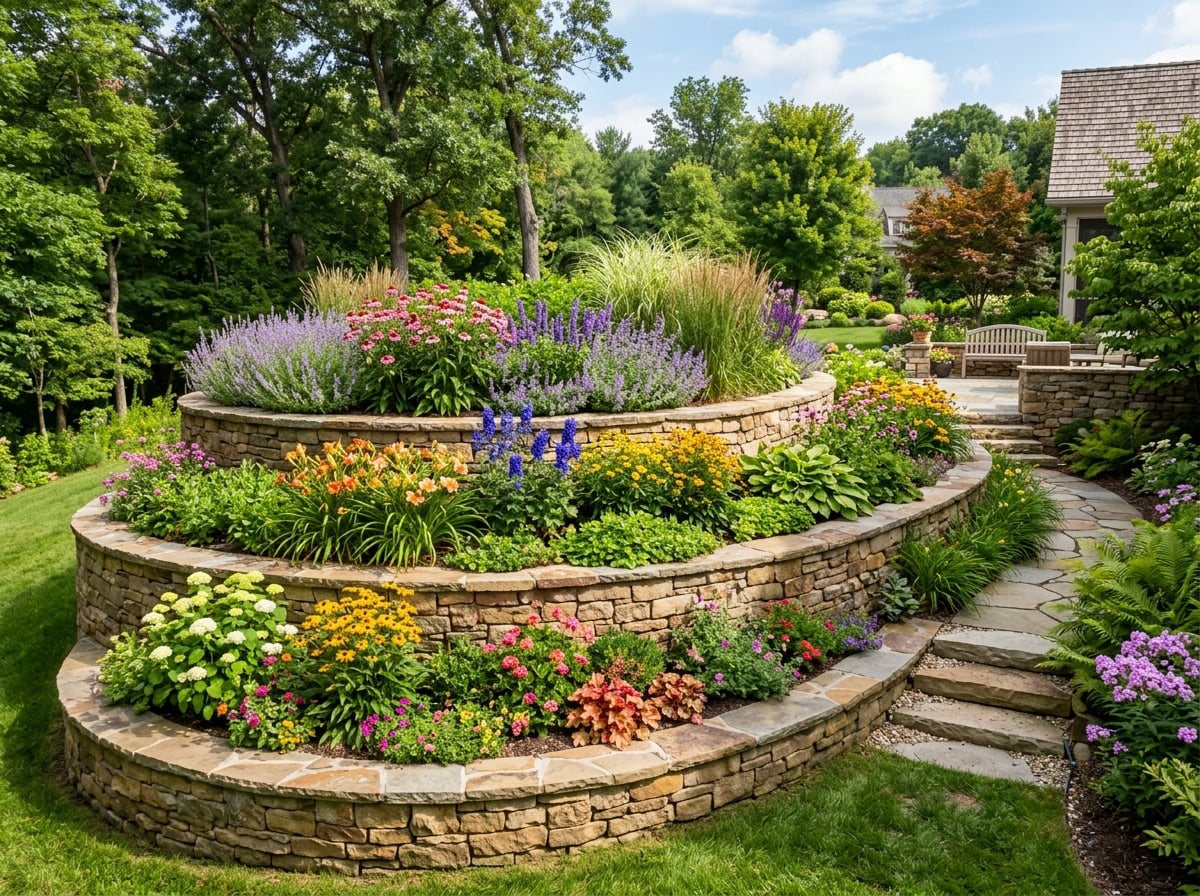
5. Tiered planter walls: Multiple low walls (2-3 feet each) stepped into a hillside create flat planting terraces. Cost: $20-$35 per linear foot per tier. This approach is structurally superior to a single tall wall and creates stunning cascading garden beds.
Natural and Rustic Designs
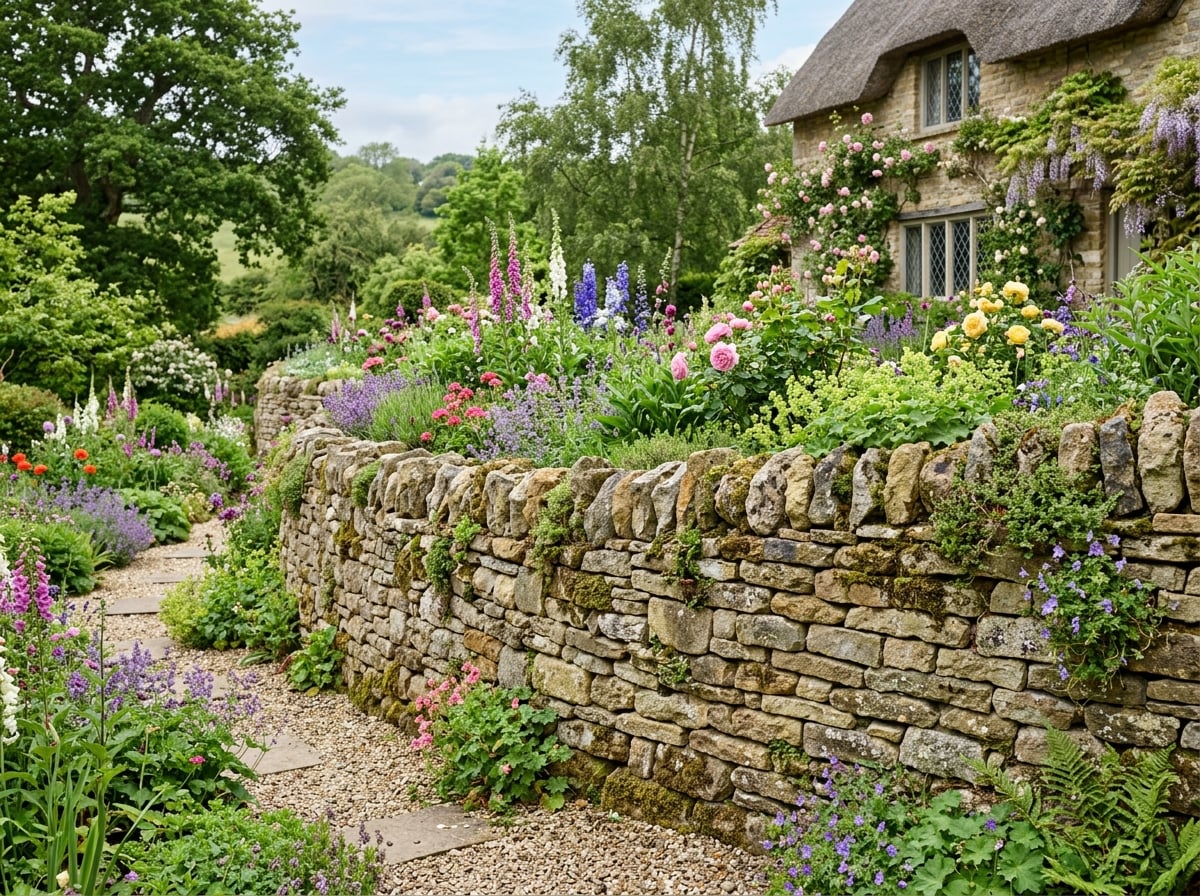
6. Dry-stacked fieldstone: Natural stones fitted together without mortar for a timeless, organic appearance. Cost: $25-$45 per square foot. Each wall is unique. The irregular shapes create natural planting pockets in the wall face for creeping thyme, sedums, and other rock garden plants.
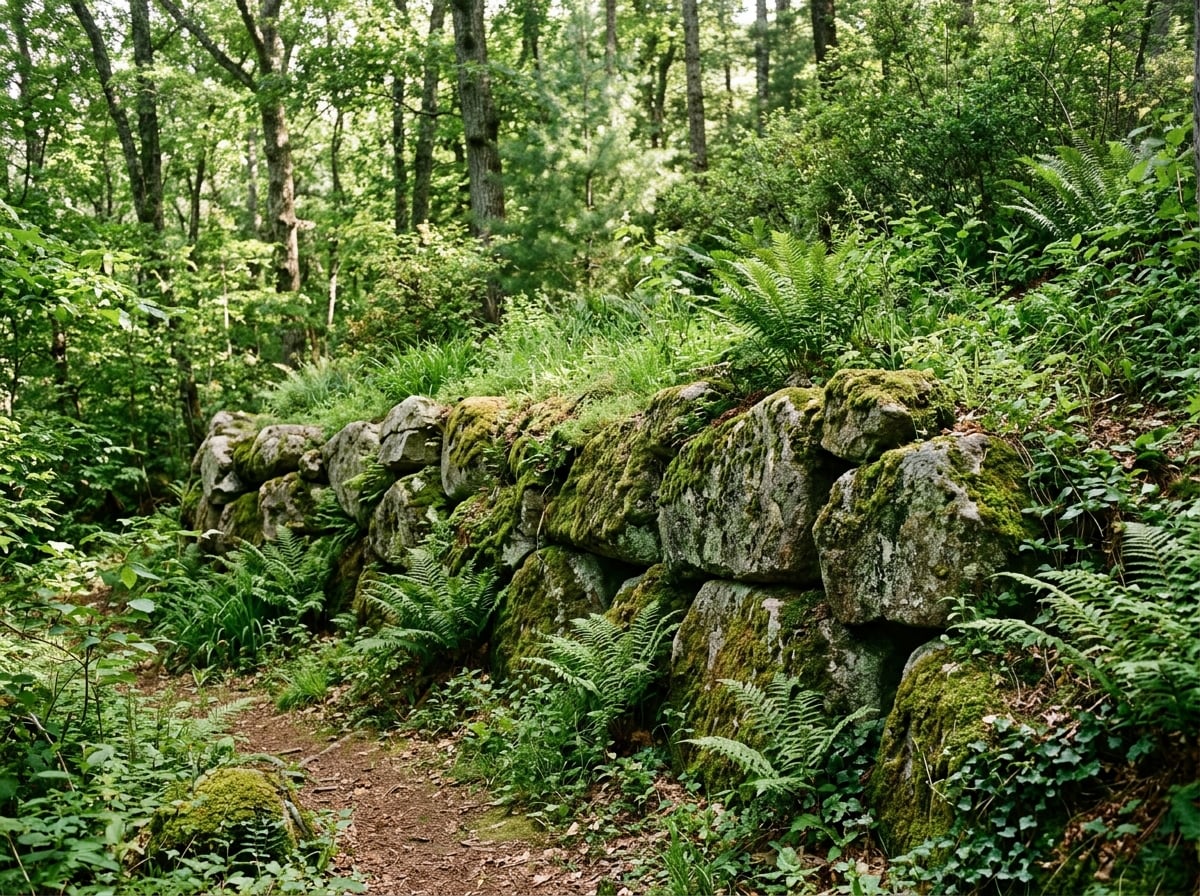
7. Moss rock boulder walls: Large boulders arranged to create a natural-looking retaining structure. Cost: $20-$40 per square foot plus heavy equipment rental. These walls look like they have been there forever and require virtually zero maintenance once placed.
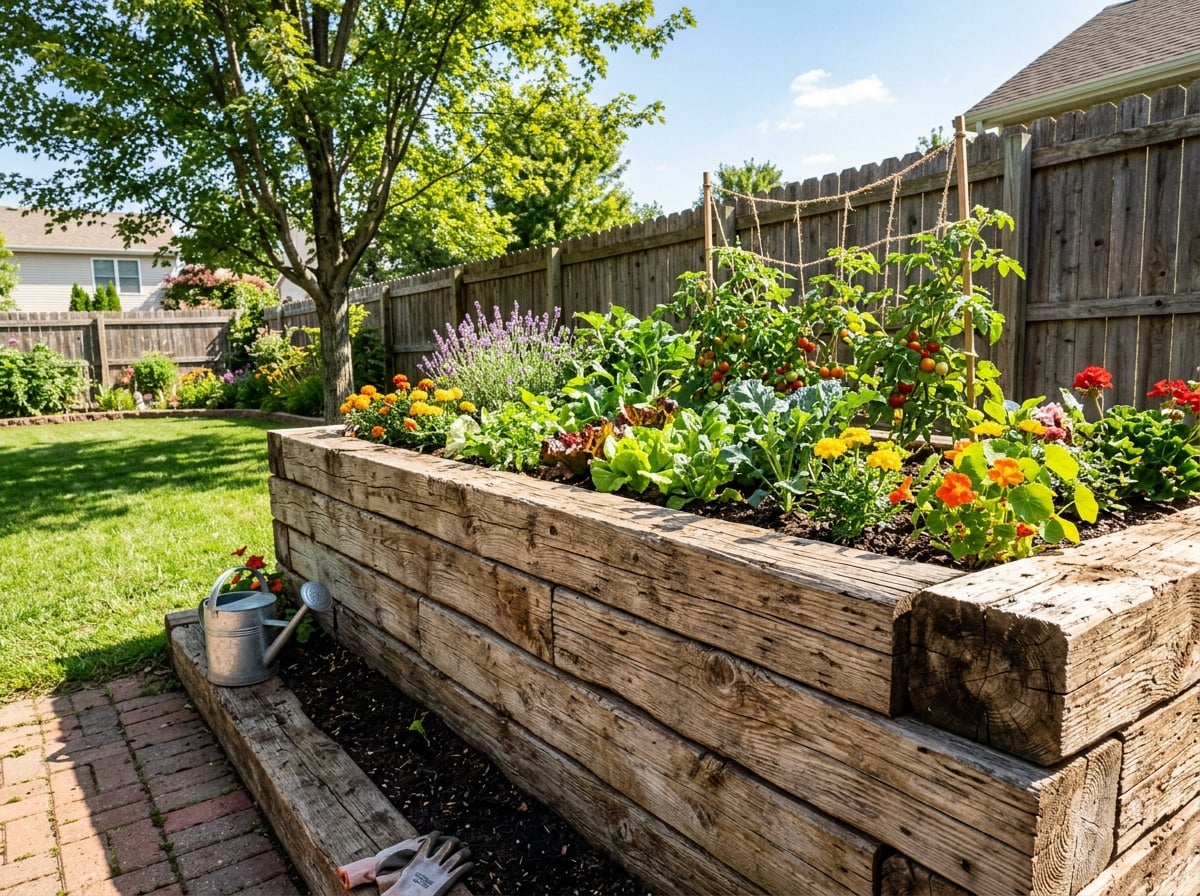
8. Timber crib walls: Interlocking timber logs create rustic retaining structures with natural planting pockets between the logs. Cost: $15-$25 per square foot. Best for walls under 4 feet. The timber weathers to a silver-grey that blends with woodland landscapes.
9. Stacked flagstone walls: Flat natural stones stacked horizontally for a classic, layered look. Cost: $20-$35 per square foot. The natural colour variations in flagstone create visual depth and warmth that manufactured blocks cannot replicate.
10. Living walls with integrated planters: Any retaining wall material with built-in planting pockets, stepped sections, or cap-level planter boxes. Cost: Add $5-$15 per square foot to base wall cost. Trailing plants soften hard edges and help the wall blend into the landscape.
Budget-Friendly Retaining Wall Ideas
11. Standard interlocking blocks: The workhorse of DIY retaining walls. Available at every home improvement store in multiple colours. Cost: $10-$20 per square foot installed or $5-$10 DIY. A 50-foot wall at 3 feet tall costs roughly $1,500-$3,000 in materials.
12. Recycled concrete walls: Broken concrete slabs (urbanite) stacked like natural stone. Cost: $5-$15 per square foot. The concrete is often free from demolition sites. Looks surprisingly attractive when stacked with exposed aggregate faces forward.
13. Railroad tie walls: Landscape timbers or genuine railroad ties create quick, affordable walls. Cost: $10-$18 per square foot. Keep walls under 3 feet for stability. Treat cut ends with wood preservative to extend the 10-15 year lifespan.
14. Concrete block with stone veneer: Standard grey CMU blocks faced with thin natural stone veneer. Cost: $18-$30 per square foot. This gives you the natural stone look at roughly half the cost of a full stone wall. Nobody can tell the difference once installed.
15. Curved block walls: Standard interlocking blocks arranged in flowing curves instead of straight lines. Cost: Same as straight block walls but allow 15-20% extra material for cuts. Curved walls are inherently stronger than straight walls and create more visual interest in the landscape.
Design Tips That Make the Difference
Cap stones transform the finished look: A polished or tumbled capstone on top of any block wall immediately elevates the appearance. Budget $3-$8 per linear foot for quality caps. This small detail has the biggest visual impact of any wall upgrade.
Lighting creates evening drama: Recessed LED lights in the wall face or uplights at the base cost $50-$150 per fixture installed. Plan electrical conduit during construction. A lit retaining wall becomes a landscape focal point after dark.
Integrate seating into the design: A wall at 18-22 inches tall with a 12-inch wide smooth cap becomes comfortable built-in seating. This dual-purpose approach is especially effective around patios, fire pits, and outdoor kitchens.
Plant selection matters: Trailing plants (creeping jenny, ivy, trailing rosemary) soften the top edge. Ornamental grasses add movement. Avoid trees within 5 feet of the wall as roots can destabilize the structure over time.
Use our free Retaining Wall Calculator at BuildCalc Pro to estimate materials and costs for any of these designs. Enter your wall dimensions and material choice to get an instant cost breakdown.
Stop doing this math by hand
Use the free Retaining Wall Calculator to get exact quantities and cost estimates for your project in seconds.
Open the Retaining Wall CalculatorPlanning Your Retaining Wall Project
Start with the slope: Measure the height difference between the top and bottom of the slope. Walls over 4 feet tall require engineering in most jurisdictions, which adds $500-$1,500 to the project but is legally required.
Drainage is non-negotiable: Every retaining wall needs gravel backfill (12 inches minimum), a perforated drain pipe at the base, and weep holes or outlets. Water pressure is the number one cause of wall failure. Budget $3-$5 per linear foot for proper drainage materials.
Consider your soil type: Clay soils expand when wet and put extra pressure on walls. Sandy soils drain well but may need more compaction. A simple jar test (soil + water, let settle) reveals your soil composition.
Get accurate cost estimates: Use the BuildCalc Pro Retaining Wall Calculator to determine exactly how many blocks, how much gravel, and what your total material cost will be. Then add 30-50% for labor if hiring a professional.
Timeline expectations: A DIY interlocking block wall (50 linear feet, 3 feet tall) takes 2-3 weekends. Professional installation typically takes 3-5 days for the same size. Plan for an additional day of base preparation and compaction.
Frequently Asked Questions
What is the most popular retaining wall style in 2026? Clean, modern lines using large-format concrete blocks and board-formed concrete are trending, alongside natural stone for a rustic look. The best choice complements your home and landscape.
How do I make a retaining wall look high-end on a budget? Cap the wall with a contrasting coping, add integrated lighting, and plant the terraces. These finishing touches deliver an upscale look without premium materials.
Do tall retaining walls need a permit? Walls above roughly 3 to 4 feet, or any wall holding back a slope or structure, usually require engineering and a permit. Our retaining wall calculator estimates blocks, gravel, and cost for your design.
Tools & Materials for This Project
Recommended tools & materials — as an Amazon Associate, we earn from qualifying purchases.
Retaining Wall Adhesive
Construction adhesive specifically for bonding retaining wall blocks
Drainage Pipe (Perforated)
Install behind the wall for proper water drainage and structural longevity
Block Splitter / Chisel
Cut retaining wall blocks to size for corners and end caps
Garden Spade & Fork Set
Essential digging tools for garden bed preparation and planting
Soaker Hose / Drip Irrigation
Efficient watering that delivers water directly to plant roots
Outdoor Solar Lights
Solar-powered path and garden lights for ambience and safety
Ready to Calculate?
Use our free calculators to get exact material quantities and cost estimates for your project.
Pre-calculated answers for common project sizes:
Editorial Note
This guide was researched and written by Michael Fair, founder of BuildCalc Pro. Cost data reflects 2026 national averages from contractor surveys, manufacturer pricing, and home improvement retailers. Actual costs vary by region, material availability, and labor rates. All formulas and material quantities are cross-referenced against industry standards. This content is for informational purposes only and does not constitute professional construction advice. Always consult a licensed contractor for your specific project.